Why Choose Turkish Agriculture and Food Suppliers?
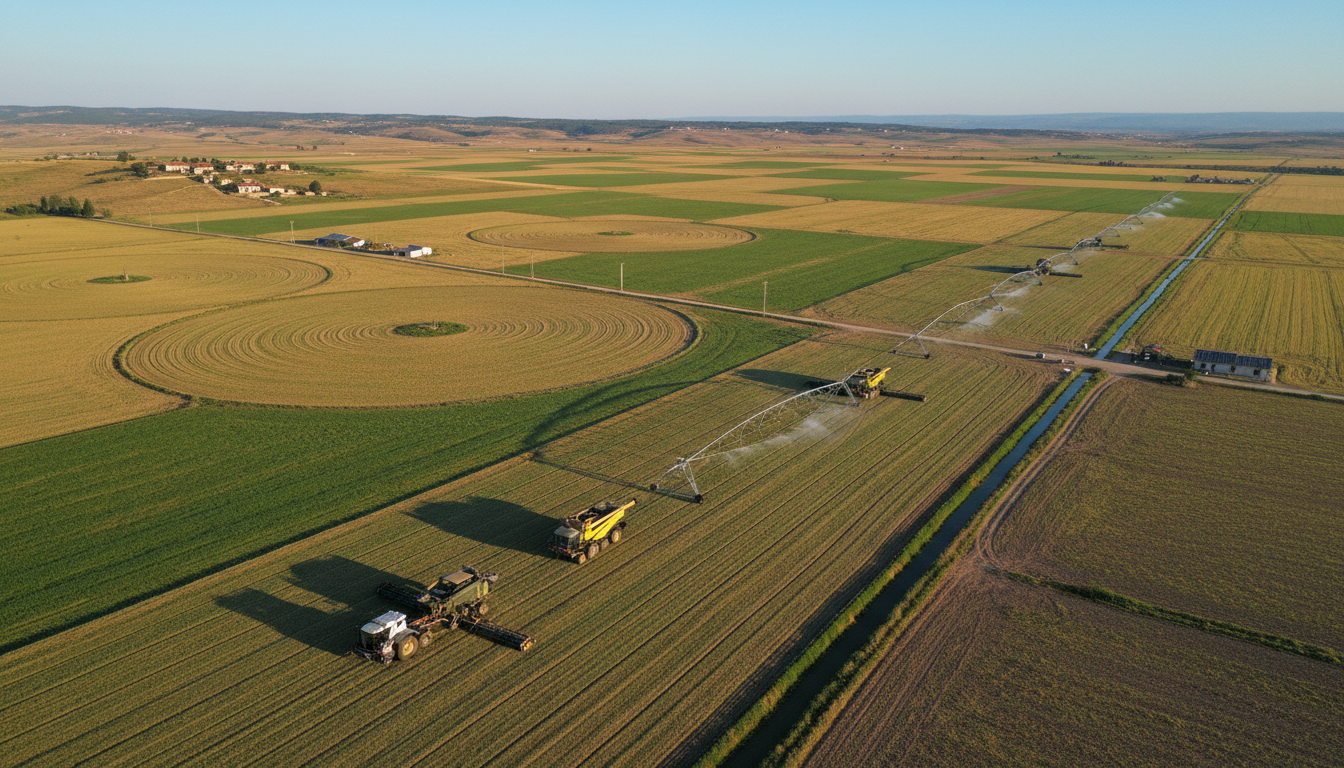
Turkey’s agriculture and food sectors power the global marketplace with premium quality and world-class standards. Leading the export of sought-after products like hazelnuts, cherries, figs, apricots, and olives, Turkish suppliers deliver reliability, outstanding product variety, and commitment to customer needs. With a sophisticated value chain covering farming, processing, packaging, logistics, and distribution, Turkish producers excel in meeting large-scale orders with efficiency and consistency. This dynamic sector fuels millions of jobs and positions Turkey as a trusted sourcing destination for importers worldwide.
Top Product Strengths from Turkish Suppliers
- Grains and oilseeds: Wheat, barley, corn, sunflower, and soybeans form the basis of Turkey’s flour, pasta, bakery, and edible oil industries.
- Fresh fruits: Turkey is a leading world supplier of hazelnuts, cherries, table grapes, apples, citrus (oranges, lemons, mandarins), figs, apricots, and pomegranates.
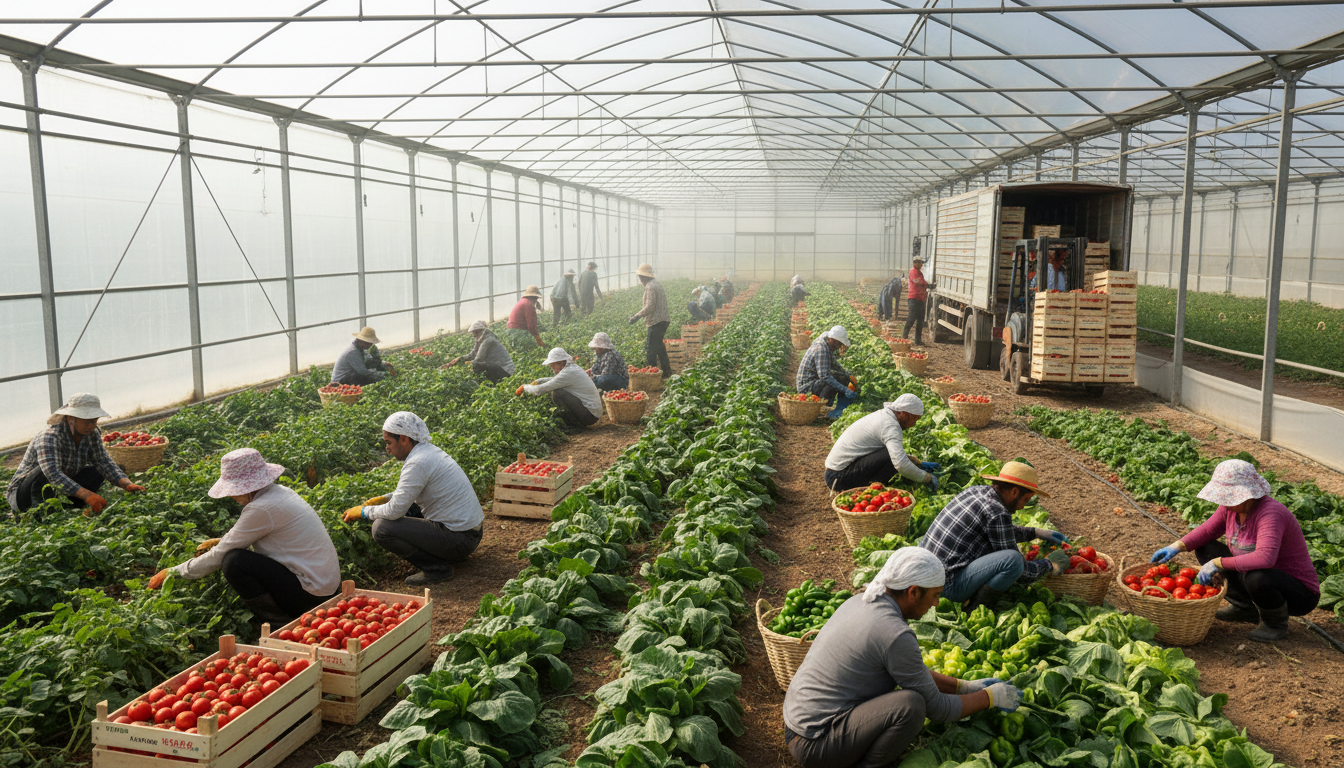
- Vegetables: Tomatoes, peppers, cucumbers, onions, potatoes, eggplants, and leafy greens dominate both domestic markets and export shipments, fresh and processed.
- Olive and olive oil: The Aegean and Mediterranean regions have extensive olive groves, producing high-quality table olives and extra virgin olive oil for global buyers.
- Dried fruits and nuts: Raisins, dried apricots, dried figs, pistachios, walnuts, almonds, and especially hazelnuts are high-value export staples.
- Livestock and dairy: Beef, lamb, poultry, eggs, milk, yogurt, cheese, and other dairy products serve both domestic consumption and specialized export niches.
- Processed foods: Canned vegetables, pickles, sauces, fruit juices, jams, confectionery, pasta, flour, bakery products, frozen foods, and ready-to-eat meals are increasingly important.
- Organic and specialty products: Organic fruits and vegetables, gluten-free foods, functional products, and traditional items like tahini, pekmez (grape molasses), and halva are gaining international attention.
Export Achievements and Unmatched Global Reach
Turkish agricultural exporters consistently lead on the world stage, supplying high-demand markets across Europe, the Middle East, North Africa, North America, and Asia. With exports valued in the tens of billions of US dollars annually, Turkish suppliers are renowned for their excellence in dried fruits and nuts, fresh produce, flour, pasta, confectionery, olive oil, and premium processed foods. Their expertise in adhering to rigorous EU, halal, and other international standards ensures your business receives products that meet or exceed expectations—delivered on time and tailored to your requirements.
Strategic geographic location gives Turkish exporters superb access to global markets, resulting in faster deliveries and lower logistics costs. Turkey boasts efficient truck and Ro-Ro links to Europe, seamless maritime options to the Middle East and Africa, and reliable air cargo solutions for urgent or sensitive shipments. Continuous investment in cold chain and modern logistics guarantees the integrity, freshness, and quality of every order upon arrival.
Overcoming Challenges, Delivering Excellence
- Climate variability and water stress: Irregular rainfall, drought periods, and heatwaves affect yields, especially in water-intensive crops, and increase the importance of efficient irrigation.
- Fragmented land structure: Many farms are small and fragmented, which can limit economies of scale, the adoption of modern technology, and consistent quality in large volumes.
- Input costs and financing: Rising prices for fuel, fertilizers, crop protection products, and animal feed impact production costs. Access to affordable finance and long-term investment is crucial for farmers and processors.
- Labor availability: Seasonal labor shortages, especially during harvest peaks, can put pressure on costs and timing, particularly for labor-intensive fruits and vegetables.
- Compliance and certifications: Meeting stringent export market requirements—such as EU residue limits, traceability rules, sustainability auditing, and animal welfare standards—demands ongoing investment and expertise.
- Logistics and cold chain gaps: While infrastructure is improving, there are still areas where cold chain coverage, storage capacity, or rural logistics can be optimized to reduce post-harvest losses.
Proactive Government Support for Exporters
Turkey’s government actively fosters a supportive environment for agricultural exporters through robust incentives. Suppliers benefit from financial support, subsidized credit, and grants for upgrading greenhouses, processing plants, and rural facilities. Cutting-edge programs drive innovation in digital agriculture, irrigation, and export readiness—ensuring Turkish suppliers are always equipped to meet evolving demands from the international marketplace.
- Subsidies and credit: Support for fuel, fertilizers, certified seeds, and low-interest loans helps farmers manage production costs and invest in new equipment.
- Rural development and EU-aligned programs: Co-financed grant schemes encourage investments in modern barns, cold storage, processing facilities, and renewable energy in rural areas.
- Export promotion: Trade delegations, participation in international food fairs, and export incentive programs help Turkish companies access new markets and strengthen their brands.
- Quality and safety initiatives: Efforts to enhance laboratory capacity, residue monitoring, animal disease control, and traceability systems aim to keep Turkish products competitive in high-standard markets.
- Irrigation and infrastructure: Ongoing investments in dams, irrigation networks, and on-farm water-saving technologies are designed to mitigate climate risks and stabilize yields.
Trends Empowering Turkish Suppliers
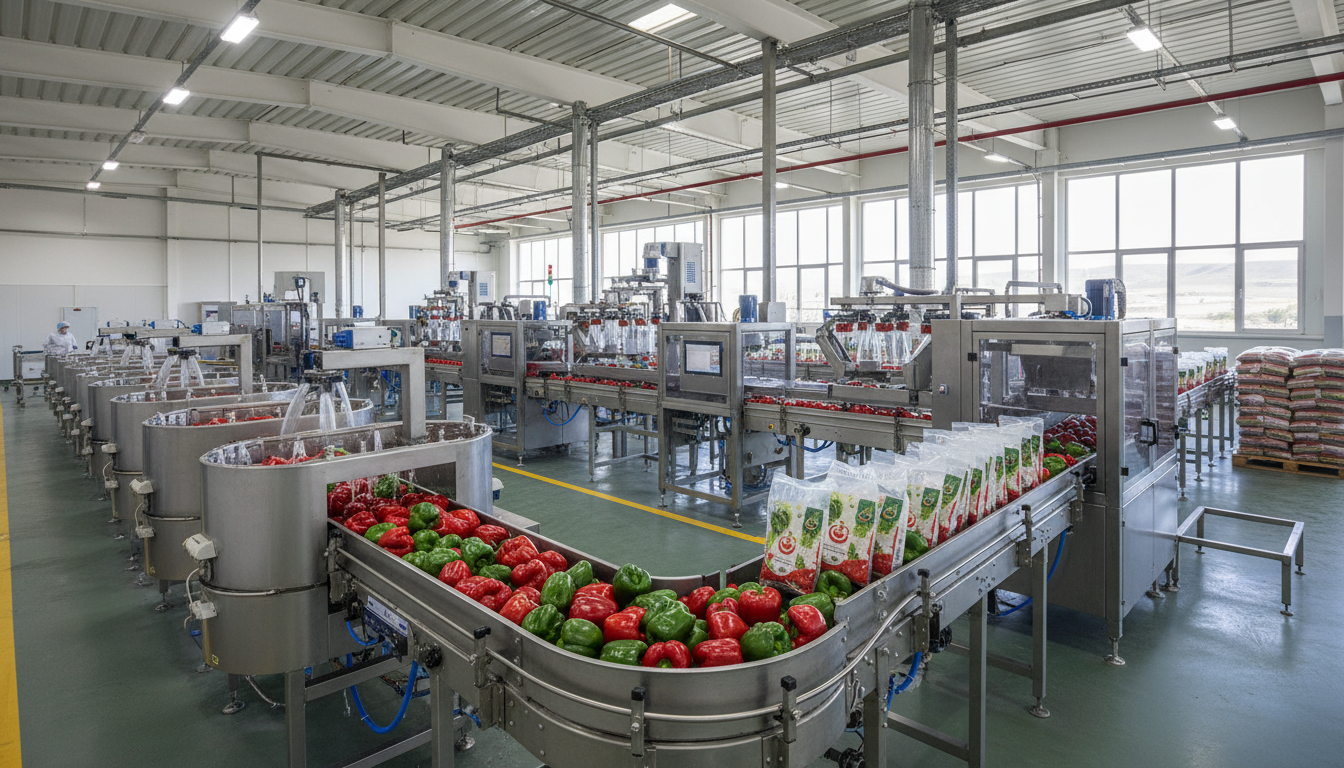
- Shift toward value-added processing: Instead of exporting only raw commodities, many Turkish companies are investing in processing lines—such as frozen foods, pre-cut vegetables, ready meals, sauces, and snacks—to capture more value and respond to changing consumer habits.
- Sustainability and resource efficiency: Water-saving irrigation, precision agriculture, renewable energy use in farms and factories, and reduced food waste are increasingly prioritized, especially for exporters working with global retailers and brands.
- Quality, branding, and geographical indications: Protected designations for regional specialties (such as certain cheeses, olive oils, and sweets) and strong national brands in dried fruits, nuts, and confectionery help differentiate Turkish products in crowded markets.
- Digitalization and smart farming: Use of farm management software, remote sensing, drones, greenhouse automation, and data-based decision-making is expanding, especially among larger farms and cooperatives.
- Growth in halal and ethnic markets: Turkey’s ability to provide halal-certified products, traditional foods, and regionally familiar tastes supports strong demand across the Middle East, North Africa, and diaspora communities in Europe and beyond.
- Rising interest in organic and health-oriented products: Export markets and urban consumers are driving demand for organic produce, clean-label products, and foods with functional or health claims.
Advantages for International Buyers
International buyers gain access to competitive pricing, adaptable production, and tailored products by choosing Turkish suppliers. From large volume orders of bulk commodities to private label creations and custom blends, Turkish producers deliver flexibility and efficiency to every partner. Strict quality controls and a reputation for fast, responsive service give your business a supply advantage—no matter your market or product needs.
SuppyFromTurkey.com is your gateway to the finest Turkish suppliers in agriculture and food. Discover sector insights, evaluate top-tier producers, and request competitive quotations tailored to your business. Ready to create a winning sourcing partnership? Reach out with your requirements and unlock the power of Turkish supply today.
 berkerco.com